
New first-of-its-kind wearable technology from researchers at Cornell and KAIST, in South Korea, brings that vision closer to reality. The system, called WatchHand, equips off-the-shelf smartwatches with AI-powered micro sonar capable of tracking hand movements.
Making AI safer for victims of intimate partner violence
Conversational AI tools denied blunt requests for harmful content by researchers posing as intimate partner abusers, but these guardrails were easily circumvented when they requested the content under false pretenses, a new Cornell Tech study has found.

Seed banks may complicate gene drives aimed at controlling weeds
Gene drives – a genetic engineering approach that quickly spreads specific genetic changes throughout a population, whether to kill it off or add a new trait – may have potential for controlling weeds. But so far, gene drives have primarily been studied in mosquitoes, and have yet to be deployed in the real world.

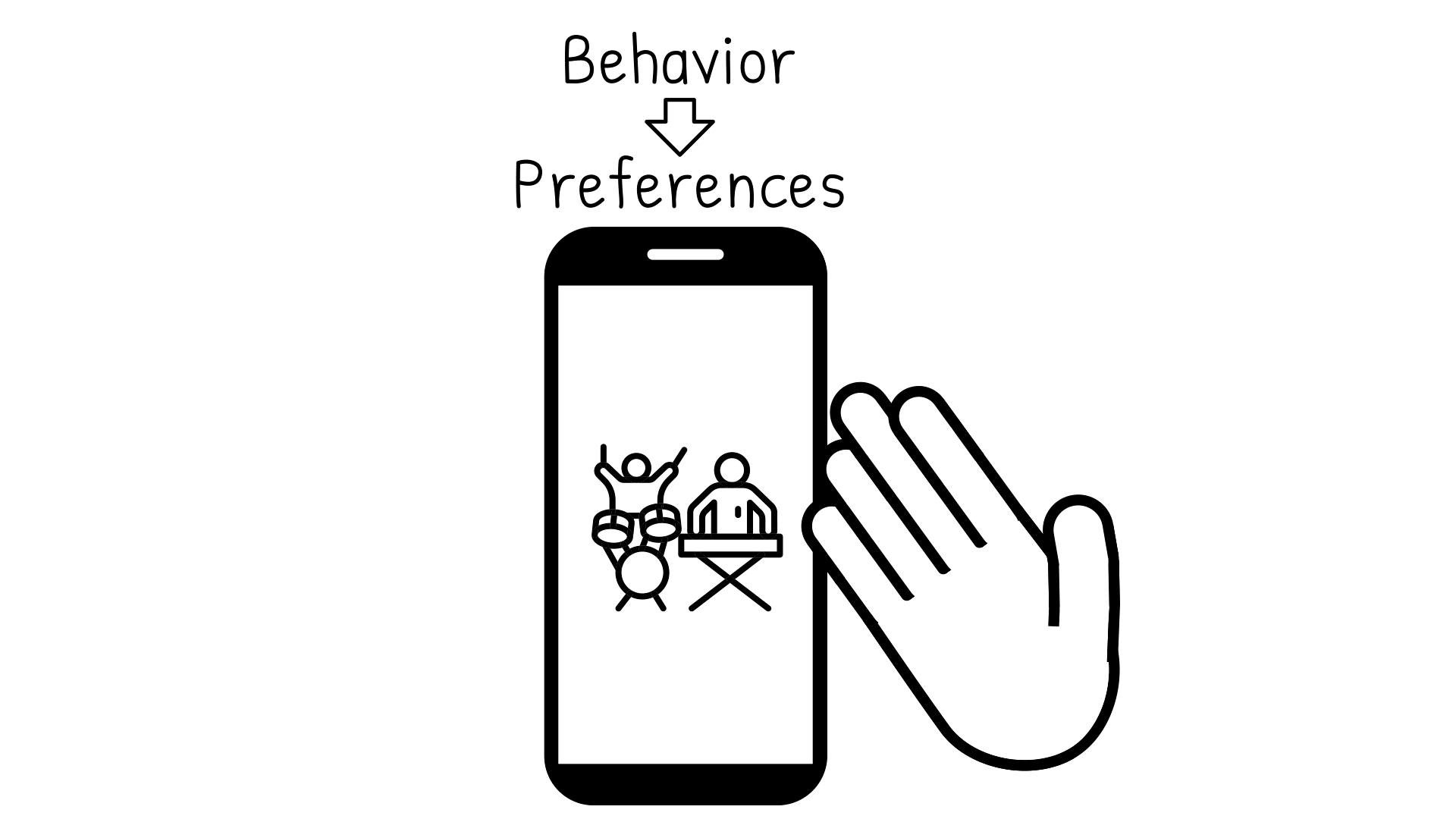
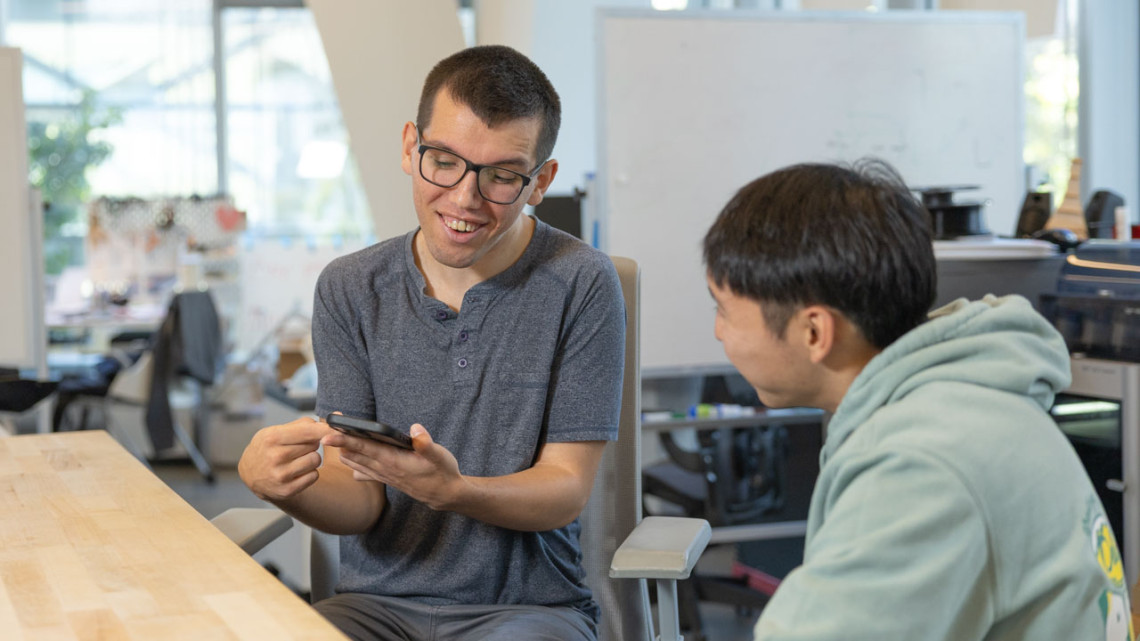
What does it mean to train an AI to speak like you?
Ultra-personalized artificial intelligence for assisted communication risks muting aspects of the user’s identity and occasionally breaches privacy, according to a new study from a Cornell Tech doctoral student who trained the technology on himself.

Humans are bad at making complex decisions. AI can call them out

Cornell Tech
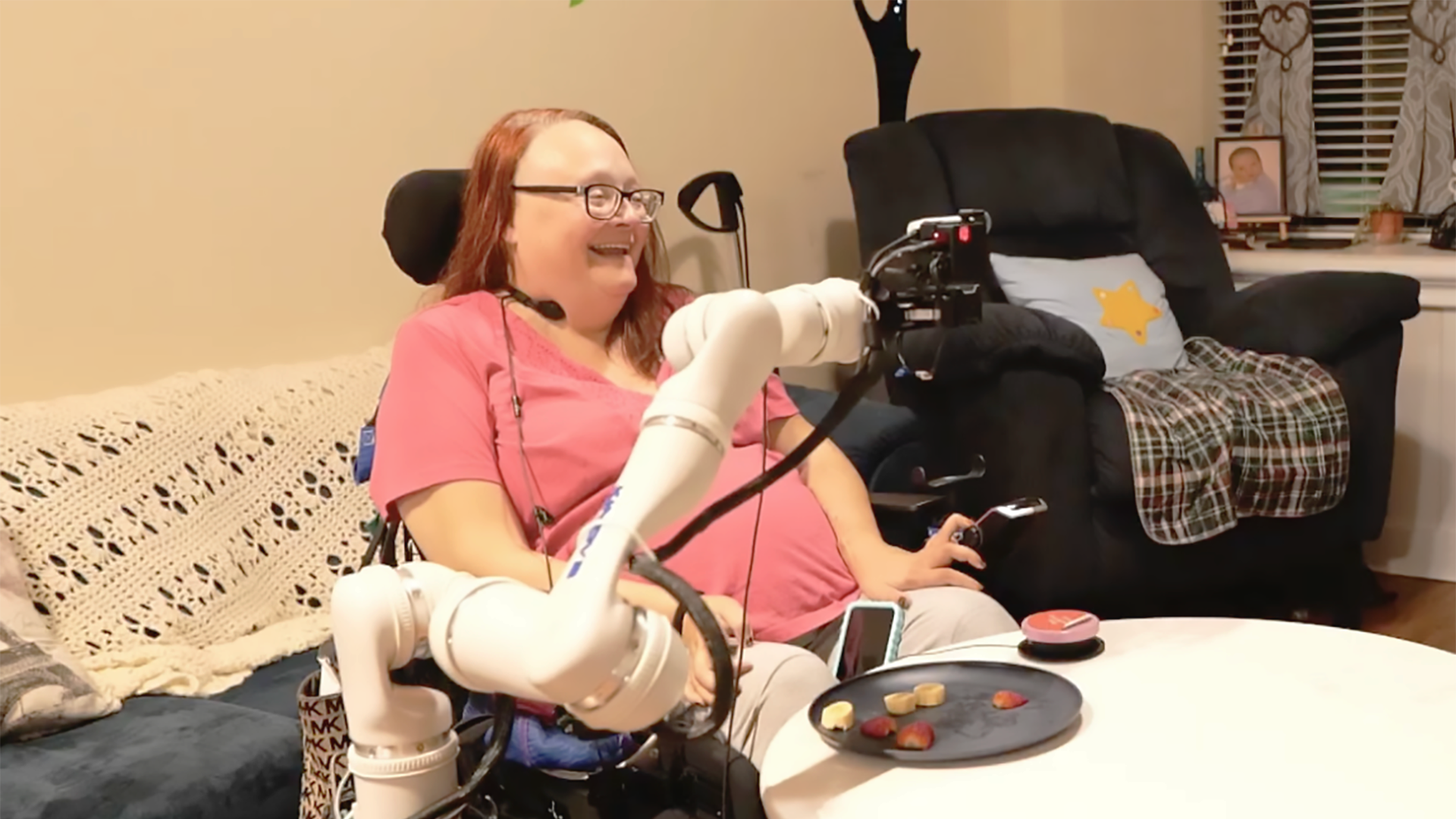
New approach designs healthcare robots with, not for, the people who use them
The Ithaca Voice
The AI Innovation Hub to partner with the City of Ithaca on an AI tool to search city records
Cornell Chronicle
What does it mean to train an AI to speak like you?

Cornell Chronicle
Extended reality tool lets dancers analyze movement
AI Explained
Choudhury talks with AI Explained about using chatbots as therapists
Cornell, CMU robotics research receives Best Paper
IEEE Spectrum
IEEE Spectrum features the MirrorBot

Cornell Chronicle
AI tools to help vision-impaired are good, but could be better