
New first-of-its-kind wearable technology from researchers at Cornell and KAIST, in South Korea, brings that vision closer to reality. The system, called WatchHand, equips off-the-shelf smartwatches with AI-powered micro sonar capable of tracking hand movements.
Making AI safer for victims of intimate partner violence
Conversational AI tools denied blunt requests for harmful content by researchers posing as intimate partner abusers, but these guardrails were easily circumvented when they requested the content under false pretenses, a new Cornell Tech study has found.

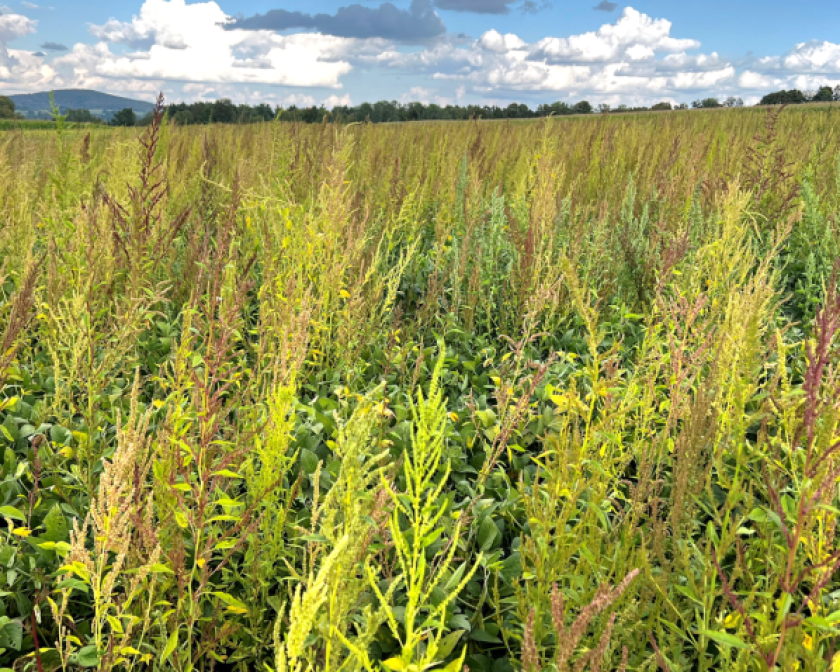
Seed banks may complicate gene drives aimed at controlling weeds
Gene drives – a genetic engineering approach that quickly spreads specific genetic changes throughout a population, whether to kill it off or add a new trait – may have potential for controlling weeds. But so far, gene drives have primarily been studied in mosquitoes, and have yet to be deployed in the real world.
What does it mean to train an AI to speak like you?
Ultra-personalized artificial intelligence for assisted communication risks muting aspects of the user’s identity and occasionally breaches privacy, according to a new study from a Cornell Tech doctoral student who trained the technology on himself.
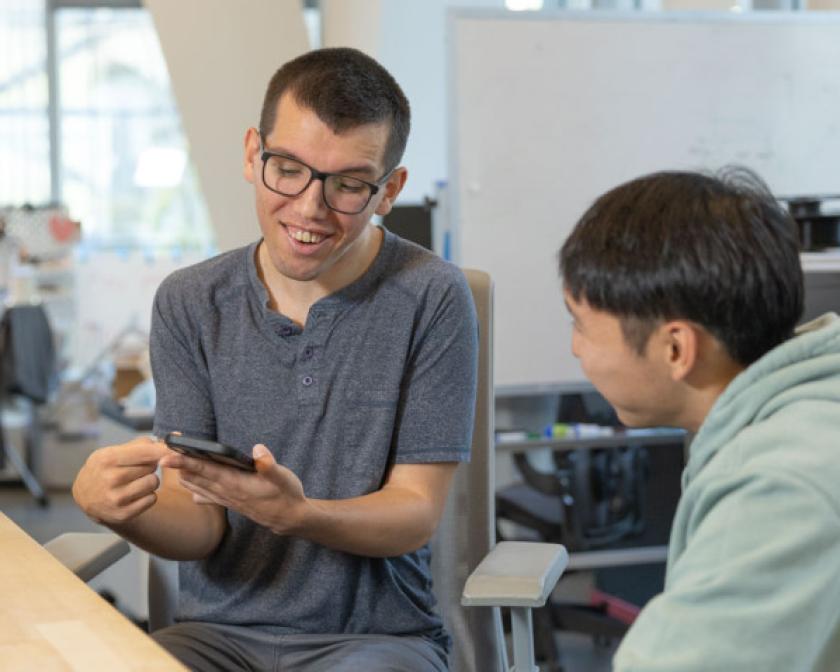

Study: Tech can empower home care workers, not just surveil them

Bowers shines at CHI 2025 with 34 papers and prestigious faculty honor

Developers, educators view AI harms differently, research finds
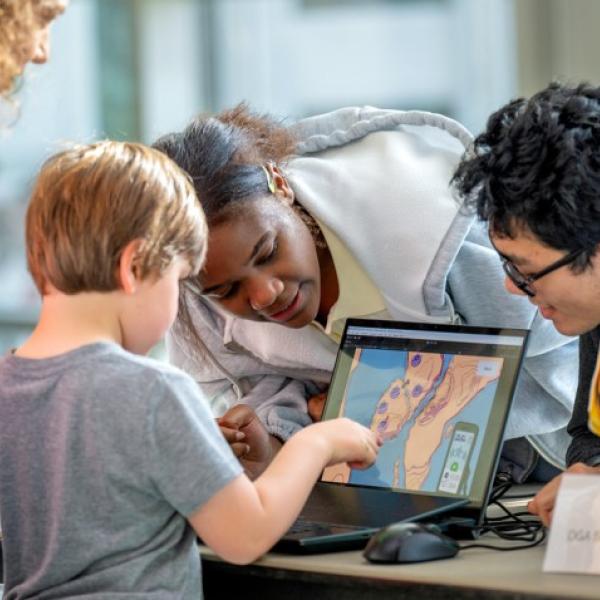
Students showcase their innovative tech, from critters to catacombs
Gender, nationality can influence suspicion of using AI in freelance writing

AI tools help people with speech disabilities make timely jokes
Bradic named IMS Fellow
IEEESpectrum
SeamFit featured in IEEE Spectrum

New method explores dormancy in TB, other organisms